

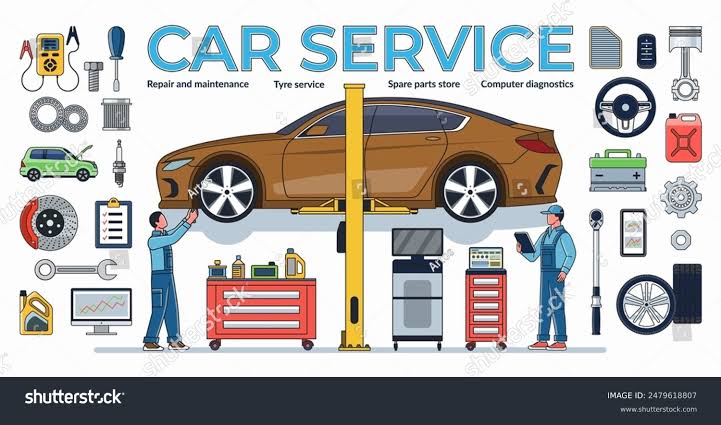
A cars and truck rarely breaks down out of no place. Nearly every roadside emergency– a dead battery, a blown tire, an overheating engine– has a backstory of small indication that got disregarded. The bright side is that most upkeep doesn’t call for an auto mechanic’s tool kit or a weekend break of your time. It requires a routine. This guide walks through specifically what to check, just how usually, and why it matters, so you can keep your car trustworthy without transforming car treatment right into a second job.
Why Routine Upkeep Pays for Itself
Skipping an oil change or disregarding a squeaky brake might save you an afternoon today, yet it often costs a lot more later on. A neglected timing belt can damage an engine. A used brake pad can trash a blades. A reduced tire can blow out at highway speed.by link https://verdict.reviewbay.workers.dev/reviews/carmats-ukcom website Preventative upkeep is cheap insurance– it trades small, foreseeable costs currently for the avoidance of huge, unforeseeable ones later on.
The Core Maintenance Arrange
Every car is different, and you ought to constantly accept your proprietor’s manual, however the table listed below mirrors general market support that relates to the majority of gasoline-powered cars.
| Job | Typical Interval | Why It Matters |
|---|---|---|
| Oil and filter change | Every 5,000– 7,500 miles (artificial oil can extend this further) | Old oil loses lubricating buildings, boosting engine wear |
| Tire turning | Every 5,000– 7,500 miles | Promotes even tread wear and extends tire life |
| Air filter substitute | Every 12,000– 15,000 miles | A clogged up filter decreases air flow and gas performance |
| Brake pad examination | Every 10,000– 12,000 miles | Worn pads raise quiting range and can damage rotors |
| Coolant flush | Every 30,000 miles or 2– 5 years | Prevents overheating and rust in the cooling system |
| Battery check | Every 2– 4 years | Batteries degrade with age and temperature extremes |
| Timing belt (if equipped) | Every 60,000– 100,000 miles | A snapped belt can create disastrous engine damage |
Regular Monthly Checks You Can Do Yourself
You do not require to wait for a scheduled service to capture issues early. A couple of five-minute checks monthly can flag issues before they come to be pricey.
- Tire pressure: Check when tires are cool, utilizing the stress listed on the vehicle driver’s door jamb, not the number printed on the tire sidewall.
- Tread deepness: The traditional cent test still works– put a cent into the step groove with Lincoln’s head upside-down; if you can see the top of his head, it’s time to replace the tire.
- Liquid levels: Inspect engine oil, coolant, brake fluid, and windscreen washer fluid. Low levels can signify a leakage.
- Lights: Walk the auto with the engine running and check headlights, brake lights, turn indicator, and turn around lights.
- Wiper blades: Streaking or avoiding generally suggests it’s time for a replacement– typically every 6– twelve month.
Indication You Need To Never Neglect
Control panel Lights
The check engine light is the most misunderstood sign on the control panel. It can imply anything from a loosened gas cap to a falling short catalytic converter. If it’s blinking as opposed to constant, that typically suggests an active misfire– pull over and get it checked as soon as possible rather than remaining to drive.
Appears and Smells
- Grinding when braking: Commonly means the brake pads are totally worn and metal is getting in touch with steel.
- Pleasant odor: Typically indicates a coolant leak.
- Burning odor: Could be an oil leak trickling onto a hot engine element, or an overheating clutch.
- Screeching belt: Usually a loose or worn serpentine belt.
Seasonal Upkeep Matters As Well
Vehicles work harder in severe weather, and a little seasonal list stops most weather-related breakdowns.
- Before winter season: Test the battery (cold weather is harsh on maturing batteries), check antifreeze concentration, and switch to winter-rated wiper fluid if you live somewhere that ices up.
- Before summertime road trips: Check coolant levels and pipes, given that getting too hot is one of the most usual warm-weather breakdown, and validate tire stress because heat increases stress and can push a limited tire past its limitation.
DIY vs. Expert Service
Some tasks are really simple in your home– inspecting liquids, replacing wiper blades, changing an air filter, and also switching a battery. Others, like brake work, timing belt replacement, or anything entailing the suspension or airbags, carry genuine safety and security threat if done incorrectly and are typically much better entrusted to a licensed service technician. A practical rule of thumb: if a mistake might impact your capability to quit or guide, obtain expert help.
Last Ideas
Cars and truck upkeep isn’t regarding perfection– it’s about uniformity. A chauffeur who does the fundamentals reliably, whenever, will usually have a more dependable auto than one who does whatever perfectly yet sporadically. Build the explore your routine, maintain a straightforward log, and your car will keep its side of the imagine years much longer than it or else would.